

After years of studying how human organize themselves to move through life, I feel I have some observations to share. So in the next few months, I’m going to be sharing a series of essays I’m calling BodyTalk. Each episode will explore the relationship between movement and the emotions. Enjoy!
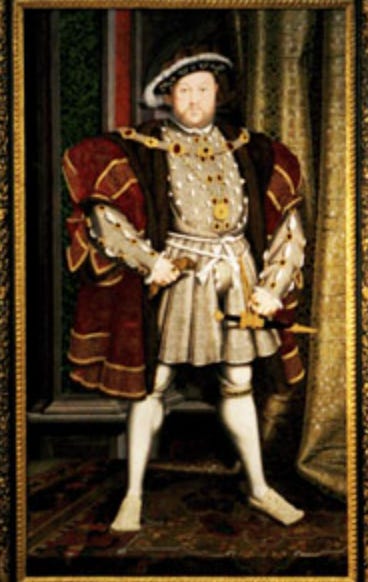
Check out those sexy legs!
There is an aesthetic sweet spot for many parts of the body, often based on acculturation. But when it comes to legs, there is universal agreement that the calves need to be shapely, curved and smooth. A bulging or knotted calf, or worse, a calf with no definition at all, doesn’t elicit the same appreciation. Unconsciously, we form opinions about people based on their calves that influence how we relate to them. Maybe that’s why our culture is so in love with trousers.
Legs had historically been a first line of presentation. Back when men wore tights, those with skinny legs actually added padding to their calves to appear more attractive. Even the way men stood during that era was a presentation of the calf. Interestingly, this same time period hid women’s legs as a dangerous temptation to perdition. “A show of leg” was scandalous until the 1920s.
I was always curious about the expressiveness of our legs, how they betray our inner thoughts: whether it’s impatient foot tapping, nervously curling toes, or wildly dancing. What role do the calves play in our communication toolbox?
Francois Delsarte, a teacher of gesture and oratory of the 19th century, divided the body into various trinities that he called physical, mental, and emotional. He labeled the thigh the physical, as it contains the biggest bone, the femur, and powers us through space. The foot was mental, because your feet follow your intention. He called the calves emotional. Which, outside of sexy legs, I didn’t quite understand. Sure, a skinny leg can evoke judgment, or a shapely leg (who remembers the name Betty Grable?) can awaken emotions ranging from appreciation to desire. But how is the calf emotional?
Is it possible that we sense some unconscious link of emotion with the soleus muscle? This muscle, which is underneath what we call our calf muscle (gastrocnemius) is directly connected to the function of your heart. The soleus helps move blood through the body in a constant conversation with what some people call your “other brain.” The soleus helps your circulation and is sometimes also called a glucose pump, helping regulate your sugar levels. And anyone who has ever felt their blood sugar tank, or has eaten too many Skittles, can attest to the emotional roller coaster of a glucose imbalance.
Recent research has suggested that by activating the soleus through a seated exercise that involves raising your heels, you can improve your quality of life. It’s apparently even more effective than many forms of exercise. While it won’t help you build abs of steel, maybe a few minutes a day connecting with your soleus can improve not just your circulation, but the movement of your emotions. After all the word “emotion” comes from the Latin to “move outward.”
I’ve noticed, in my years of observing people, that we have become a culture of shufflers. Many people don’t bother to pick up their heels to push through the balls of their feet as they walk. What if shuffling contributes to contemporary health problems? I have no evidence of it, but I find myself reminded of Ruthy Alon’s program Walk For Life which emphasized “pushing off.”
I’ve thought about whether there are Feldenkrais lessons that can enliven the relationship between the gastrocnemius and the soleus. In the meantime, pick up your heels! Your calves will thank you, as well as maybe your heart!
I remember Paul J Curtis, founder and director of the American Mime Theatre, who I trained with, referring to the shape of a person’s body in tights as their “line.” He made the assertion that there were people with “good line.” He sometimes pointed those people out and usually their bodies were well proportioned and trim and nice to look at.
Now you've got me thinking about my calves, circulation, and walking with intent. And thanks for the free mini lesson!